In shortPack quick-drying clothes, closed walking shoes with grip, a light rain jacket, insect repellent, a dry bag or waterproof cover for camera and phone, drinking water and sun protection for the beaches. Pack for air that sits at 28–30°C in the daytime and falls only to 20–24°C overnight, in a place that takes in roughly 3,000 mm of rain across the year, so assume anything that gets wet stays wet. Anyone going into the sea needs a full-body stinger suit; risk peaks November to May.
3,000 mmaverage yearly rainfall in the Daintree region
28–30°Ctypical daytime maximum temperatures in the Daintree
20–24°Ctypical overnight minimum temperatures in the Daintree
Nov to Maypeak months for marine stingers on the coast
What to pack for Daintree Rainforest: the core list
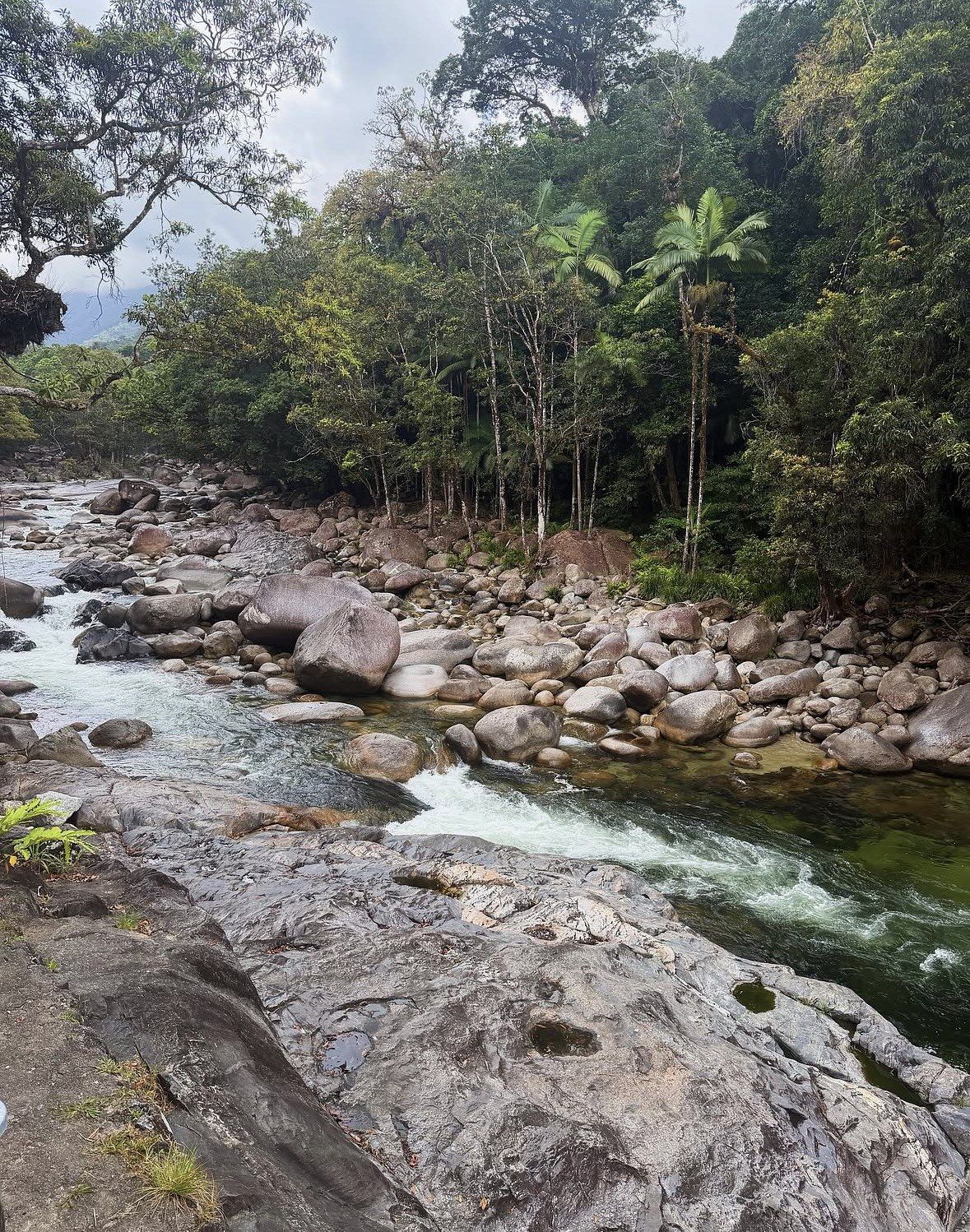
Start from the climate figures and work backwards. Maximums sit at 28–30°C and minimums only drop to 20–24°C, so nothing dries overnight and nothing cools down. On top of that the region takes about 3,000 mm of rain a year, and 75 to 90 per cent of it falls in the green season from roughly November to May. Warm air plus standing water decides every item below, from the fabric of your shirt to where you keep the repellent.
Keep it to one daypack. The walks most people actually do are short: Kulki is 600 m return and about 10 minutes, Dubuji a 1.2 km Grade 1 circuit of roughly 45 minutes, Jindalba at Cow Bay 650 m return, Madja 1.2 km. You are never far from the vehicle, so the pack needs to handle rain rather than distance.
Before you cross the Daintree River, download your maps and booking confirmations. Reception is patchy on the northern side, and the last reliable places to do it are Port Douglas, about 45 minutes from the crossing, and Mossman.
- Quick-drying shirt and shorts or light trousers, synthetic or merino
- Closed walking shoes with real tread, already broken in
- A light, packable rain jacket you can walk in with both hands free
- Insect repellent, carried on you rather than left in the car
- A dry bag or waterproof cover for camera and phone
- Drinking water for every walk, refilled whenever you stop
- Hat, sunglasses and sunscreen for the beaches and the boat
- A full-body stinger suit or rash vest if you plan to enter the sea
- A spare shirt and a towel left in the car for the drive back
- Downloaded offline maps and confirmations, loaded before the ferry
The full day with the kit handled
Three items come off your own packing list on this 9-hour small-group day from Port Douglas, because umbrellas, insect repellent and filtered water are already on board; National Park fees, the Daintree River ferry crossing, a wildlife cruise on the river and entry to Noah Valley sit in the price as well. It is rated 4.9 ★ (2,567 reviews) and starts from A$270.
★ 4.9/5 · 2,567 reviews
What to wear in the Daintree rainforest
Cotton is the main mistake. In air this warm and this wet a cotton t-shirt soaks through on the first boardwalk, holds the water for hours and will not dry while you are still under the canopy. Synthetic or merino layers wick, dry on your back and weigh almost nothing in the pack. Long sleeves and light long trousers do more for you than shorts: they cover you against insects on the ground-level tracks and against the sun on the open beach sections at Myall and Cape Tribulation.
New white trainers are the second mistake. The boardwalks themselves are flat and easy, but connecting paths, car park edges and beach accesses turn to red mud after rain, and smooth soles skid on wet timber. Closed shoes with a proper grip pattern are the only sensible choice, and they will not stay clean.
Sandals and thongs have one job here: walking the sand at Myall Beach or the Cape Tribulation foreshore, and wearing around your accommodation. Keep them separate from the shoes you walk in. Rain comes in bursts rather than steady drizzle, so a light rain jacket beats an umbrella on a narrow boardwalk where you want one hand for the camera and one for the railing.
Mud, leeches and wet boardwalks
Wet leaf litter beside the boardwalks is where leeches live, and they find ankles and the gap above a low sock. Closed shoes with socks pulled up solve most of it, and long trousers solve the rest. Check your ankles when you get back to the vehicle.
Mud matters more for what it does to your footing. The Dubuji circuit runs through mangrove and fan palm swamp forest at beach level, and the ground either side of the timber stays damp long after a shower has passed. Boardwalk access in the Cape Tribulation section can change as well, with sections closed for upgrade work from time to time, so expect that you may be walking a ground-level track instead of raised boardwalk and dress your feet for it.
Insects come with the forest. Queensland's records for the Wet Tropics World Heritage Area list 94 insect species, among them the Ulysses butterfly and the Cairns birdwing, along with 64 amphibians. Repellent on your skin and sleeves on your arms let you stand still long enough to watch them.
Repellent and water on short walks
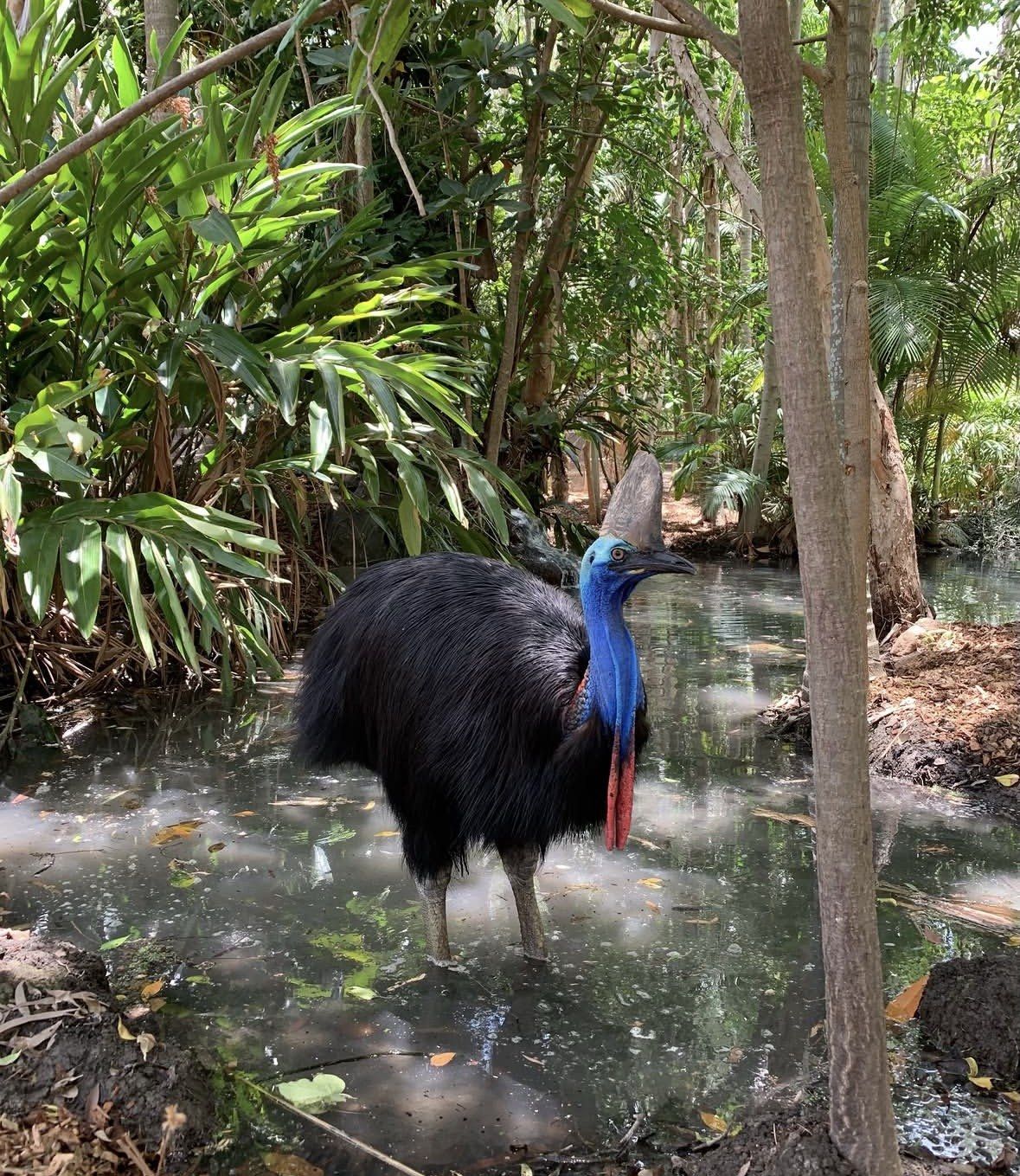
Repellent earns its place at dawn and dusk, which is also when wildlife sightings cluster: community records for cassowaries fill between 6 and 9am and again between 4 and 6pm, and that is exactly when you will want to stand still on the Dubuji boardwalk or beside Cape Tribulation Road. Keep the bottle on you rather than in the car. The 9-hour small-group day from Port Douglas carries insect repellent, umbrellas and filtered water on board, while the 1-hour river cruise listed on this site does not include repellent or raincoats, so check what you have booked before you leave the bag behind.
Carry water on every walk. Humidity at 28–30°C drains you faster than the short distances suggest, and there is no water point in the middle of a boardwalk circuit. Bring a full bottle from your accommodation rather than counting on a shop along the way.
Sun protection belongs at the top of the pack. Under the canopy you barely need it, then you step out onto Kulki's ocean viewing platform or onto Myall Beach into full tropical sun. Hat, sunglasses and sunscreen cover those few minutes.
A stinger suit if you are going in the sea
Marine stingers, box jellyfish and Irukandji among them, are present in tropical Queensland waters all year, and Queensland Parks warns they may be in Daintree coastal waters at any time, more often in the warmer months. The garment Surf Life Saving Queensland names for anyone entering the ocean is a full-body stinger suit, and it dates the stinger season November to May along the coast from Bustard Heads to Port Douglas and north of there. Douglas Shire Council gives the same November to May window and still advises a full-body lycra suit even inside a stinger enclosure.
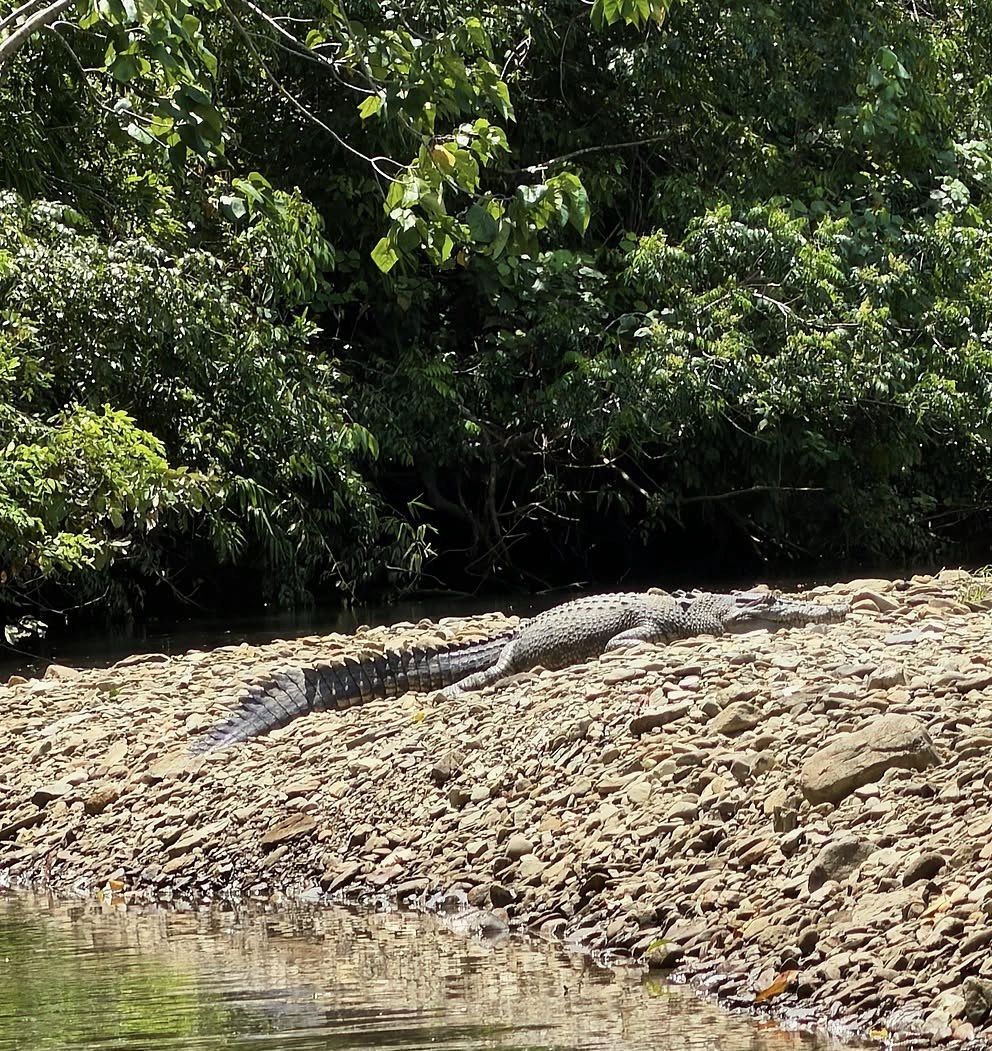
Swimming off Daintree beaches is a separate issue. Estuarine crocodiles use the river and the coastal creeks that cut across the sand, so the Be Crocwise rules apply along the shoreline: stay out of the water and keep at least 5 metres back from any edge. The stinger suit is for a reef boat out of Cape Tribulation, where the sea runs from about 23°C in July to 28°C in February.
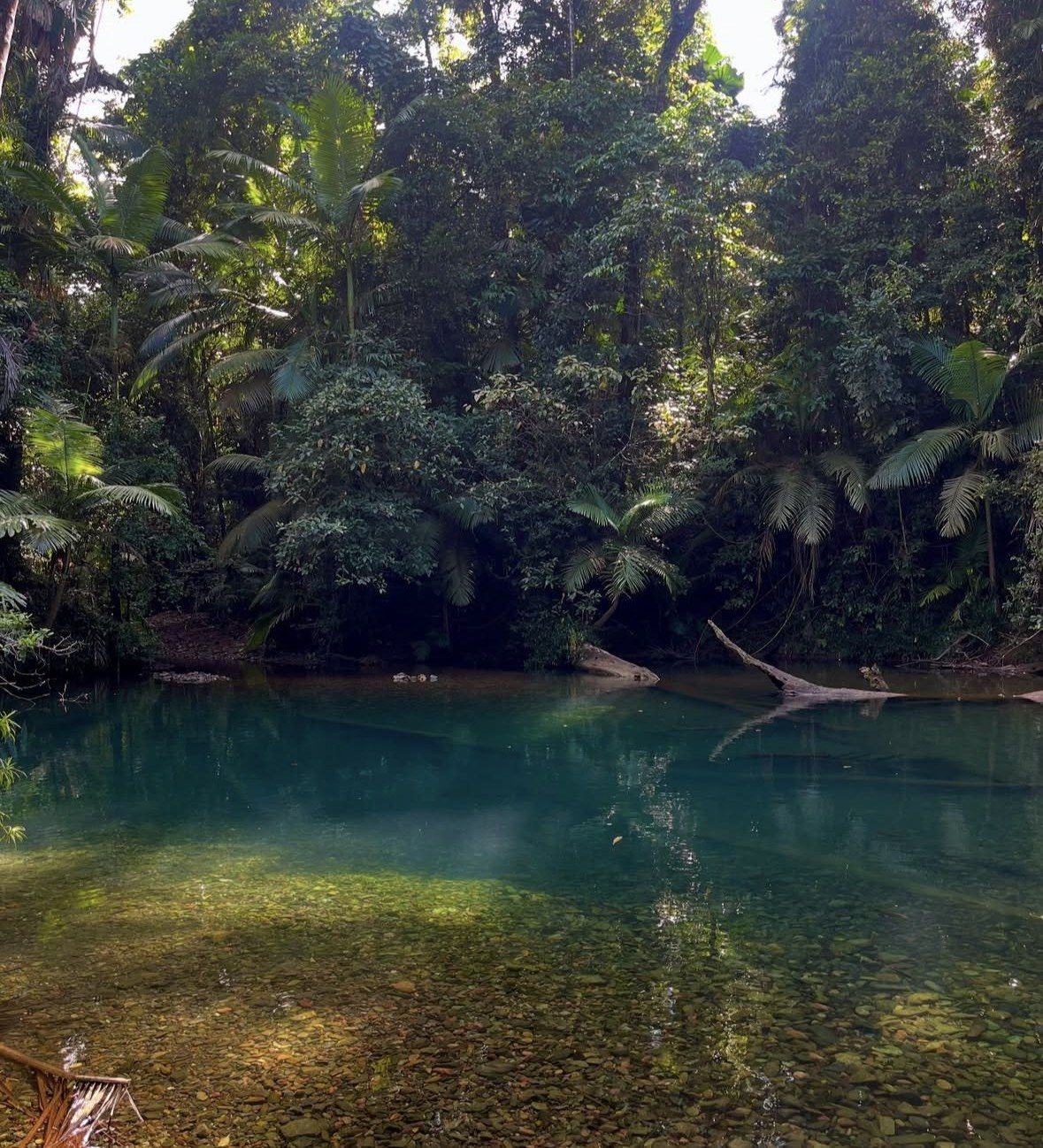
Freshwater is where swimming happens. The designated swimming hole at Masons, Cape Tribulation, is the one the regional tourism body names, and the day tour that includes a rainforest swim uses the operator's own spot, under the operator's instructions. At Mossman Gorge, on Eastern Kuku Yalanji country, swimming in the river is not advised: the official position is that it is unpredictable and unsupervised, and flash flooding can arrive even when it is not raining at the gorge.
Extras for a night walk, a cruise or the ridge climb
What you add depends on what you have booked. A night walk needs long sleeves and repellent more than a daytime boardwalk does; a river cruise needs a rain layer and something to keep the camera dry in an open boat. Mount Sorrow is the one that changes your kit completely.
Kit for the ridge trail is kit for about 6 hours on a Grade 4 route, 7 km there and back, up to a lookout at 680 m. The timing rules from Queensland Parks shape the pack too: be walking before 10am, be off the lookout by 2pm with three hours of daylight still in hand, and note that Parks has seen walkers lose the marked route up there. Take boots rather than trainers, far more water than you think you need, food, a head torch and a navigation plan that does not depend on a phone signal. If you are not set up for that, do the boardwalks and keep the day short.
| Activity | Duration | What to add |
|---|
| Short Grade 1 circuits: Dubuji 1.2 km, Madja 1.2 km, Jindalba 650 m, Kulki 600 m | 10 to 45 minutes each | Closed shoes with grip, rain jacket, repellent, water |
|---|
| Daintree River wildlife cruise | 1 hour | Rain layer, repellent and sun cover; the cruise listed here does not include repellent or raincoats |
|---|
| Night walk at Cape Tribulation | 1.5 hours | Long sleeves, repellent, closed shoes; poncho and torch are provided |
|---|
| UTV run to a private waterfall | 2.5 hours | Swimwear, towel, something to keep the phone dry; snacks are not included |
|---|
| Mount Sorrow Ridge Trail | About 6 hours, Grade 4, 7 km there and back | Boots, extra water, food, head torch; start before 10am, leave the lookout by 2pm |
|---|
| Time in the ocean off Cape Tribulation | Varies | Full-body stinger suit; risk peaks November to May, with sea around 23°C in July and 28°C in February |
|---|
Questions people ask
Do I need hiking boots in the Daintree?
For the boardwalks, no. Closed walking shoes with a grippy sole handle Kulki at 600 m return, Dubuji at 1.2 km and the other Grade 1 circuits. Boots are worth it on the Grade 4 routes: Mount Sorrow at 7 km return and about 6 hours, or Manjal Jimalji at 10.6 km over roughly 8 hours.
Is an umbrella or a rain jacket better?
A light rain jacket, because it leaves both hands for the railing and the camera on a narrow boardwalk and it packs down small. Rain here arrives in bursts rather than steady drizzle, and the region averages about 3,000 mm a year. Some day tours do carry umbrellas on board, which covers the walk between the vehicle and a lookout.
What should I pack for children?
The same list in smaller sizes: closed shoes with grip, quick-drying long sleeves, a rain layer and plenty of water. Add a stinger suit if they will be in the sea, since the recommendation for a full-body suit applies to everyone entering the ocean and risk peaks November to May. Keep the repellent in your own pack so it is always with the group, and put a dry change of clothes in the car for the drive back.
Can I rely on my phone north of the Daintree River?
Not for maps or confirmations. Reception is patchy on the northern side and there is none at the Noah Beach camping area, so download everything in Port Douglas or Mossman before you reach the crossing. On a night walk a phone light is not enough, which is why the guided walk hands out a torch.
Does the packing list change between the dry and the wet season?
The rain layer and the dry bag matter more from roughly November to May, when 75 to 90 per cent of the annual rainfall arrives and humidity is high. Tourism Australia names May to September the high season, better suited to long walks, with winter maximums around 26°C against summer maximums near 31°C. The stinger suit, the repellent and the closed shoes stay on the list all year.
Read also