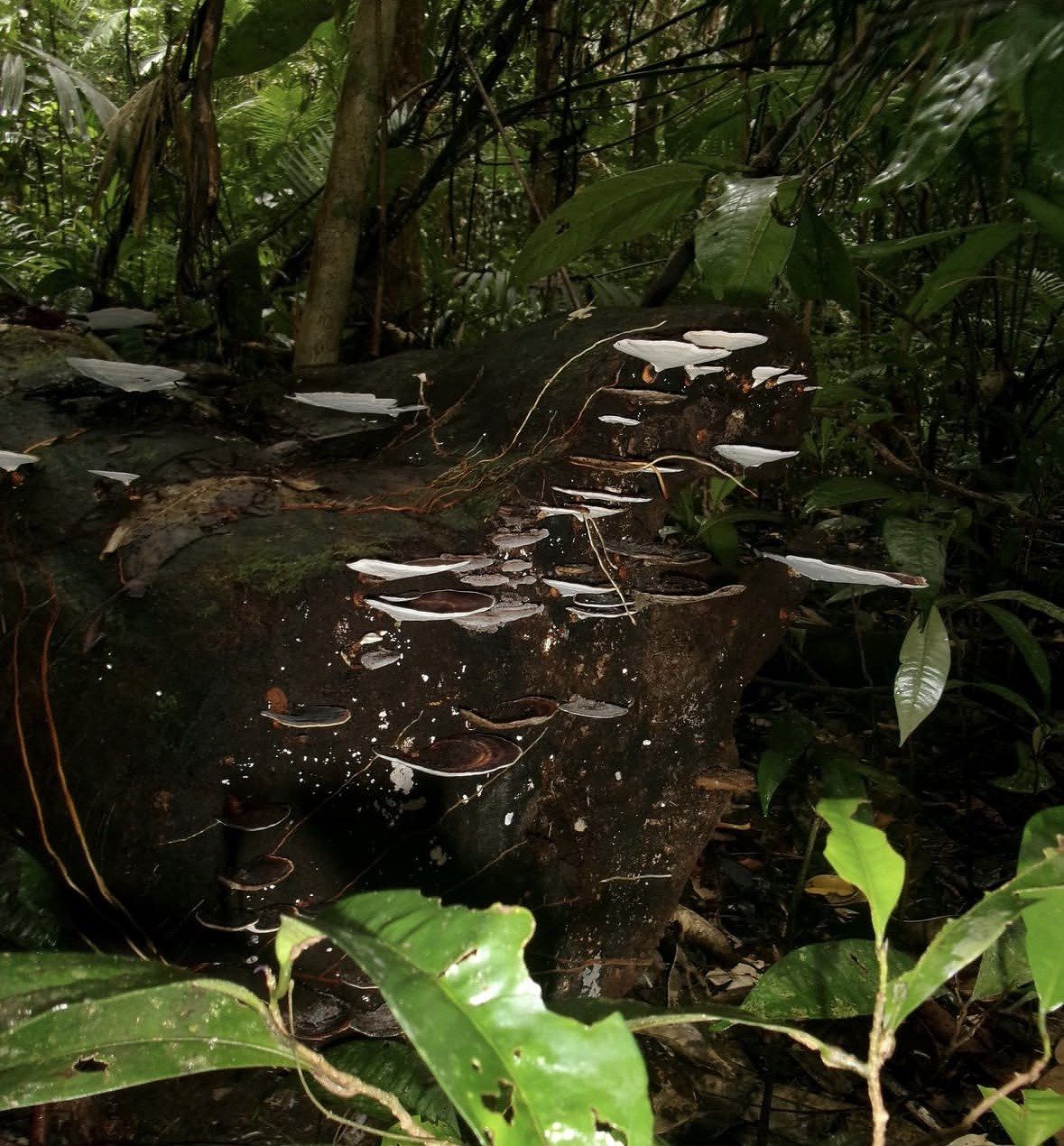
Why the Daintree Is 180 Million Years Old
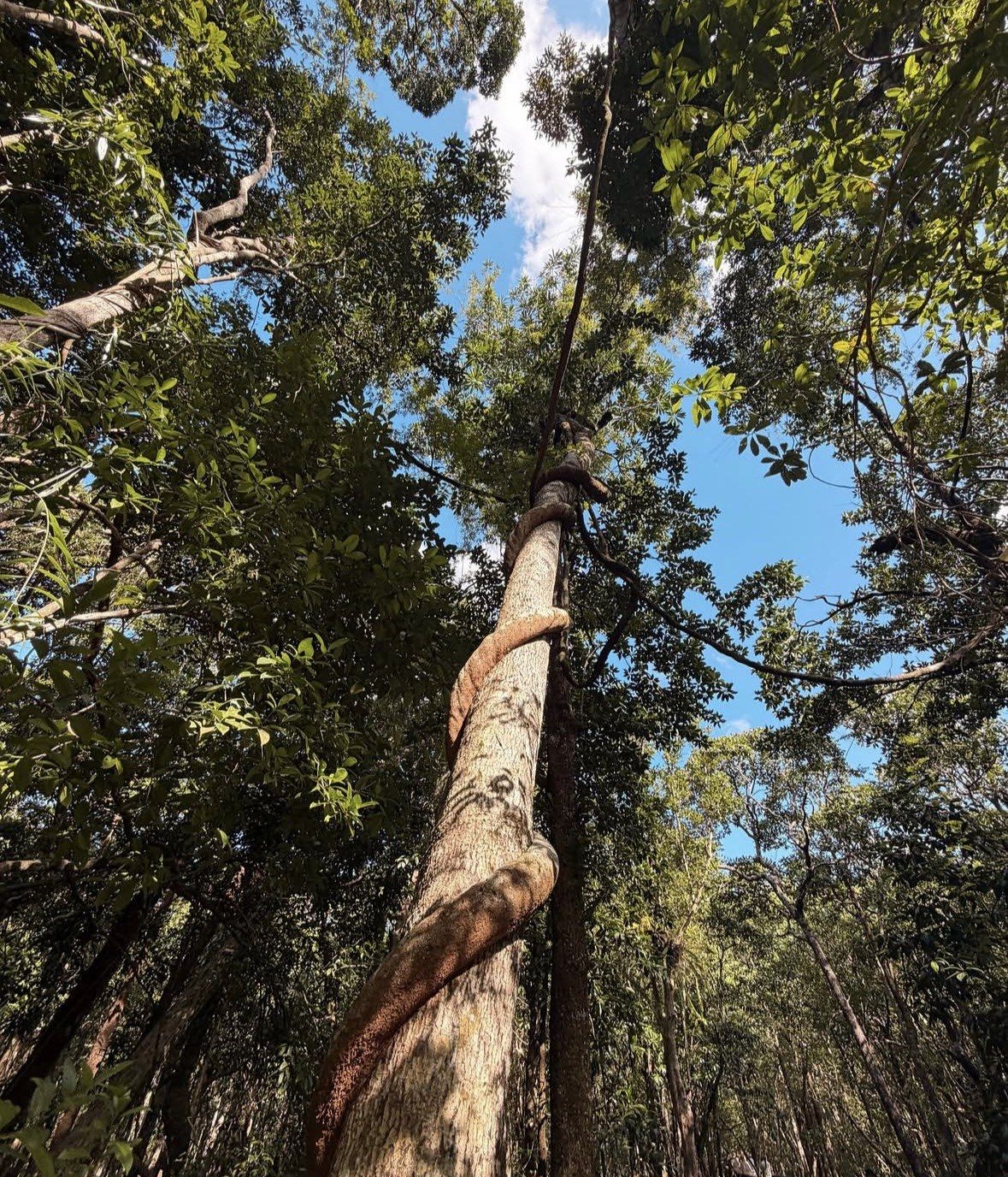
Tourism Australia states that this rainforest has been growing for more than 180 million years, which makes it the oldest tropical rainforest in the world. The figure describes the forest as a whole rather than the age of any single tree. Today it is lowland tropical forest running from the Daintree River north to the Bloomfield River, backed by steep ranges and meeting the sea along the coast. UNESCO lists the wider area partly for its hundreds of species found nowhere else on earth.
The Eastern Kuku Yalanji Aboriginal people are the Traditional Owners of this country, and their names still describe it: Kulki is Cape Tribulation, Wundu is Thornton Peak. Both are culturally significant places rather than lookouts that happen to carry an Aboriginal name. At least 17 Traditional Owner groups live across the Wet Tropics. The settlements that grew along the coast much later stayed small and still are: Daintree Village has 147 residents, Cow Bay 309 and Wujal Wujal 363. Those numbers shape the practical side of a visit. North of the river there is no large town, only small settlements, a scatter of businesses and forest on both sides of the road.
The Eastern Kuku Yalanji and the 2021 Handback
Daintree National Park (CYPAL) is jointly managed by the Jabalbina Yalanji Aboriginal Corporation and the Queensland Parks and Wildlife Service. No tourism company runs it. The park covers 73,500 hectares in two separate sections, Mossman Gorge in the south and Cape Tribulation in the north, and the Cape Tribulation section accounts for about 17,000 hectares of that. Douglas Shire Council puts the wider Daintree Rainforest at 120,000 hectares, or 1,200 square kilometres, and describes it as Australia's largest remnant of tropical rainforest.
On 29 September 2021 the Eastern Kuku Yalanji people gained formal ownership of 160,213 hectares of country, including Daintree National Park. These were the first World Heritage-listed parks in Queensland returned to First Nations owners, and the handback is recent enough that plenty of older travel writing about the Daintree predates it entirely.
Mossman Gorge is where that living culture is easiest to meet. The Ngadiku Dreamtime Walk is led by Kuku Yalanji guides, runs about 1.5 hours and includes a smoking ceremony, an ochre demonstration, bush tea and damper, with departures daily at 10am, 11am, 12pm, 1pm and 2pm. You park at the Cultural Centre and travel in by shuttle, which runs every 15 minutes from 8:00am to 5:00pm seven days a week except Christmas Day, with the last bus leaving the gorge at 4:30pm; there is no footpath from the car park into the gorge. For a full day built around culture, the Small Group Daintree Rainforest and Aboriginal Coastal Adventure runs 10 hours and adds an Aboriginal art class and a bush-flavour lunch at the Mayi Cafe.
Interesting Facts About the Daintree Rainforest
180 million
Years of rainforest growth, the oldest tropical rainforest in the world
1988
Year the Wet Tropics of Queensland was World Heritage listed
73,500 ha
Daintree National Park, split across two separate sections
17,000 ha
Cape Tribulation section, Daintree River to the Bloomfield River
160,213 ha
Country returned to Eastern Kuku Yalanji ownership in 2021
400
Bird species recorded in the Wet Tropics World Heritage Area
How the Listing, the Ferry and the Road Changed Access
World Heritage listing came to the region in 1988. The Daintree sits inside the Wet Tropics of Queensland World Heritage Area, 894,420 hectares of mostly tropical rainforest, inscribed by UNESCO for all four natural criteria, including its exceptional natural beauty and the hundreds of species that occur nowhere else. At Cape Tribulation the Wet Tropics meets a second World Heritage area, the Great Barrier Reef, where the rainforest runs down to the sand.
The Daintree River cable ferry is still the only vehicle crossing, because there is no bridge. According to the operator it runs continuously from 5am to midnight every day of the year, including Christmas Day, carries about 27 standard vehicles per trip and takes roughly 15 minutes including loading and unloading. In peak season the queue can stretch back along Cape Tribulation Road, and from 9am to 4:30pm the right-hand lane is set aside as a priority lane for locals and some commercial vehicles. Times can change at short notice in wet weather, so check the operator's status page on the day. The crossing is built into the price of the full-day tours on this site that go north of the river.
The road north from the ferry is sealed, though it climbs steeply and winds over the Alexandra and Noah Ranges. Only beyond Cape Tribulation does the Cape Tribulation–Bloomfield Road, the old Bloomfield Track towards Wujal Wujal and Cooktown, become a 4WD-only route with creek crossings that is never suitable for towing; the CREB Track is the same. The Daintree Rainforest Discovery Centre at Cow Bay, about 10 km north of the ferry, opens 9:00am to 5:00pm daily except Christmas Day with last entry at 4:00pm, and has a 23 metre Canopy Tower, an aerial walkway 11 metres up and roughly 400 metres of raised boardwalk.
What the Walks and the Wildlife Are Like Today
The signature walks are short. Dubuji at Cape Tribulation is a 1.2 km Grade 1 circuit of about 45 minutes, the Kulki boardwalk is 600 m return in 10 minutes to an ocean viewing platform, Jindalba at Cow Bay is 650 m return and Madja another 1.2 km. Access can change, and the regional visitor guide has reported Kulki closed for upgrades, so confirm before you build a route around one. At Mossman Gorge the self-guided tracks are the 660 m Baral Marrjanga, the 1.4 km Rex Creek bridge track and the 3.4 km Grade 3 Rainforest Circuit. Two walks are serious: Mount Sorrow Ridge Trail, 7 km return and about 6 hours to a 680 m lookout, and Manjal Jimalji, 10.6 km return over roughly 8 hours, both Grade 4.
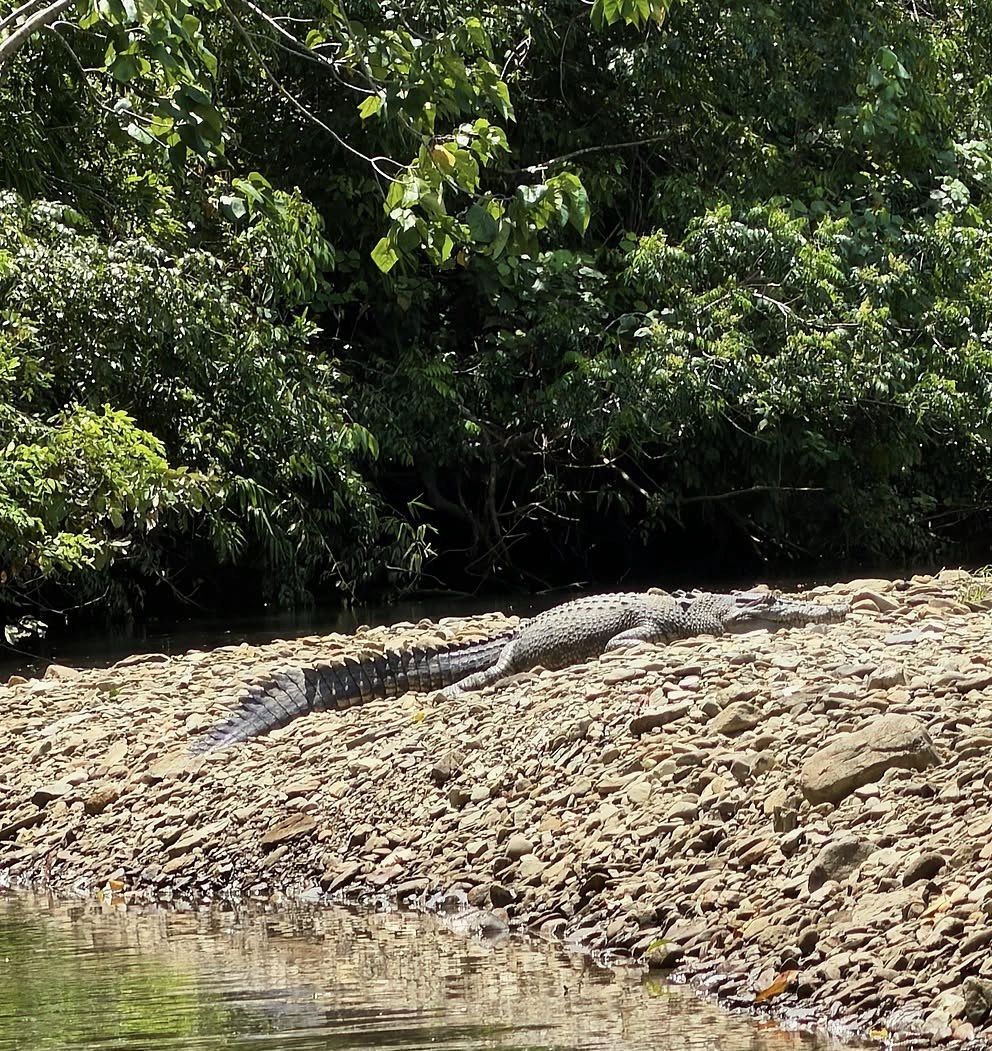
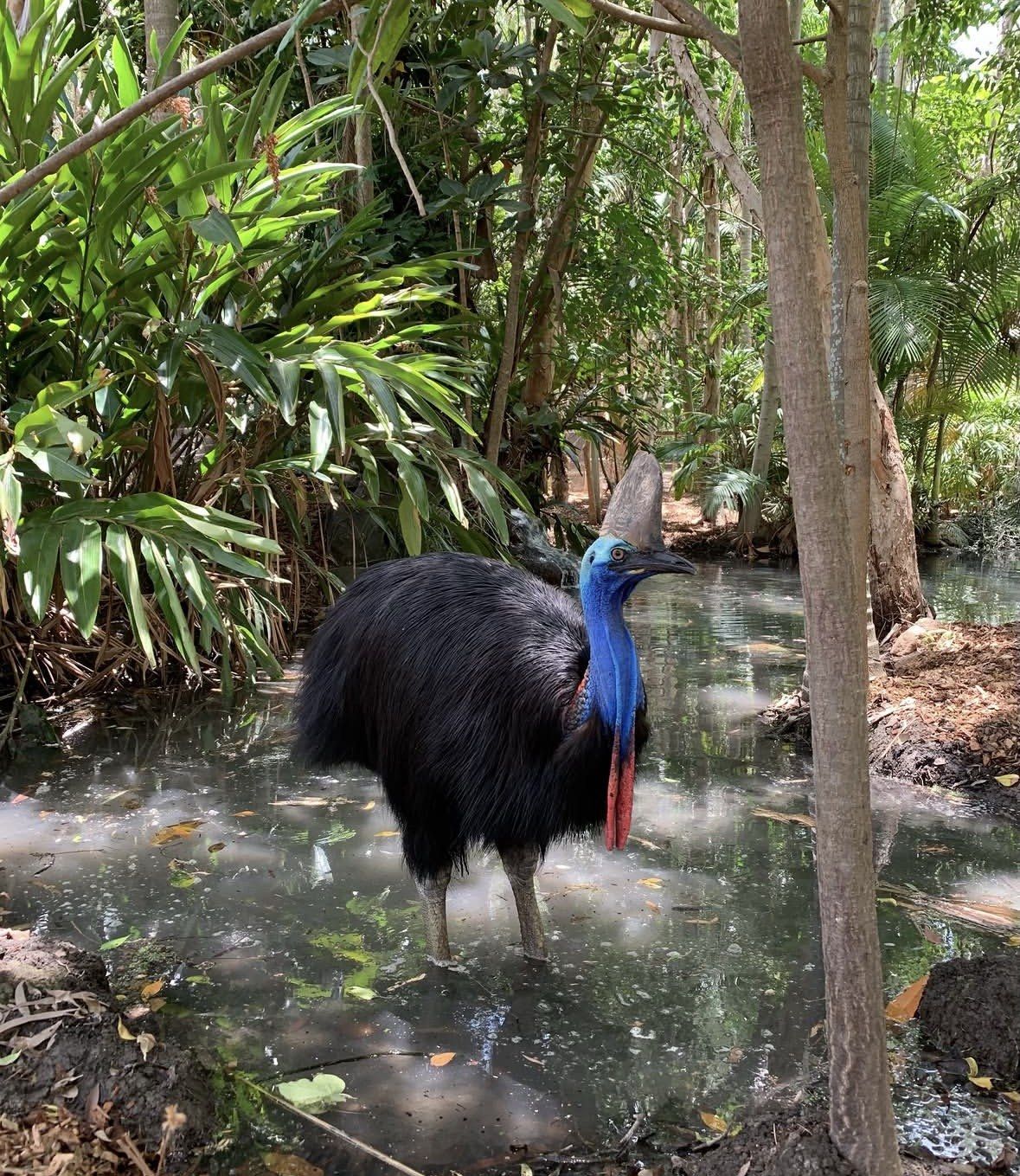
Wildlife sightings are never guaranteed. The Wet Tropics list records 139 mammal, 400 bird, 154 reptile, 64 amphibian and 94 insect species. The southern cassowary grows to 2 metres and weighs up to 76 kilograms, and it turns up most often between 6am and 9am and again from 4pm to 6pm, more so during the October to April fruiting season. Never approach an adult or a chick, never feed one, and slow down in cassowary habitat. Treat the water as off limits: estuarine crocodiles live in the river and coastal creeks, the Be Crocwise rules are to stay out of the water and keep at least 5 metres from the edge, and marine stingers are present year-round with risk peaking November to May. On a guided day the driving, the ferry queue and the timing are handled for you.